


Legacy and Leadership
Throughout life, Abigail was a passionate guardian of Hawaiian culture, a champion of aliʻi responsibility, and a generous supporter of countless initiatives that uplifted her people. Her legacy is both symbolic and material reflected in the millions of dollars she gave, the institutions she sustained, and the dignity with which she carried her kuleana.
“We have a rich history, a rich culture, and a rich people. It’s up to us to keep that alive, and it’s up to us to instill it in our young people.” — Princess Abigail, Honolulu Magazine, 2017
She saw aliʻi not as a title, but as a lifelong obligation to represent and care for the Hawaiian people.
Her philanthropy continues to this day
-
The Abigail K. K. Kawānanakoa Foundation
-
The Friends of ʻIolani Palace
-
Gifts of important Hawaiian cultural and historical items to the ‘Iolani Palace
-
Mauna ʻAla
-
ʻOlelo Hawaiʻi | Hawaiian Language
-
Merrie Monarch Festival
-
Dr. Agnes Kalanihoʻokaha Cope Native Hawaiian Traditional Healing Center
-
Ka Papa Loʻi ʻO Kānewai
-
The Queenʻs Hospital
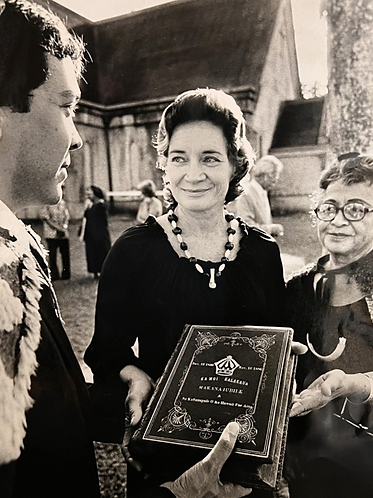
Nov. 16 1977 - Observance-The Daughters and Sons of Hawaiian warriors gathered at the Royal Mausoleum in Nuʻuanu Valley this morning in memorial observance of the birthday of King David Kalākaua. Watters Martin Jr., left above, presents Kalākaua's Bible to Princess Abigail Kekaulike Kawānanakoa, center, the great grand niece of King Kalākaua, and Healani Doane, kuhina nui of the Daughters and Sons organization. Warren R. Roll, Star-Bulletin / Hawaiʻi State Archives
The Abigail K. K. Kawānanakoa Foundation
The Abigail K. K. Kawānanakoa Foundation, the principal beneficiary of the estate of Her Royal Highness Princess Abigail Kinoiki Kekaulike Kawānanakoa, stands as her enduring gift to the Native Hawaiian people. Established to carry forward her lifelong commitment to the preservation and perpetuation of Hawaiian language, culture, history, and traditions, the Foundation reflects the values and responsibilities she embraced as a member of the Royal House of Kawānanakoa.
The Foundation also continues a deeply rooted Hawaiian tradition in which the aliʻi entrusted their personal wealth to serve their people and future generations. This legacy includes the great aliʻi charitable trusts of Hawaiʻi such as the King Lunalilo Trust, the Queen Emma Foundation, the Kamehameha Schools, and the Queen Liliʻuokalani Trust. In many ways, the Abigail K. K. Kawānanakoa Foundation may represent the last great aliʻi trust established directly through the legacy of Hawaiʻi’s royal families.
In addition to supporting cultural and educational initiatives, the Foundation also provides assistance for individual needs, including medical care and community well-being. Through its work, the Foundation carries forward Princess Abigail’s vision of strengthening Native Hawaiian identity, honoring ancestral knowledge, and ensuring that future generations may thrive while remaining deeply connected to their heritage.
-
Prince Jonah Kūhiō Kalanianaʻole Fellows Program
The Prince Jonah Kūhiō Kalanianaʻole Fellows Program honors the enduring vision of the beloved aliʻi who bridged the Kingdom of Hawaiʻi and the modern world. Born a prince of the Hawaiian Kingdom, Kūhiō Kalanianaʻole became the Territory of Hawaiʻi’s Delegate to the United States Congress, forever remembered as the only member of Congress of royal descent. His life exemplified service, dignity, and steadfast advocacy for his people.
The Kūhiō Fellows Program continues this legacy through a yearlong fellowship dedicated to cultivating a new generation of largely Native Hawaiian leaders. Over twelve months, fellows gain direct experience in legislative and public service settings, comparable to the work of a congressional aide. Guided by the values of kuleana and aloha ʻāina, they learn to navigate, influence, and serve within systems of governance while preparing to advance Native Hawaiian priorities across diverse fields.
Fellows receive housing at the Foundation’s Washington, D.C. residence and stipends to support living, transportation, and educational expenses. While each placement experience is unique, all fellows meet as a cohort twice a month to share insights, engage in leadership training, and participate in professional development rooted in Hawaiian values and civic service.
Throughout the fellowship, participants contribute to the work of their host offices, attend and host Foundation events, and complete a capstone project reflecting their growth and vision for Hawaiʻi’s future.
This initiative is guided by Board Members Jan Edward Hanohano Dill and Ainoa Naniole.
-
Grant Writing Technical Assistance Program
The Grant Writing Technical Assistance Program is an initiative of the Abigail K. Kawānanakoa Foundation dedicated to strengthening the capacity of nonprofit organizations serving Hawaiʻi and the Native Hawaiian community. This program provides hands-on training, mentorship, and resources to help community leaders craft compelling grant proposals and develop sustainable funding strategies.
Through workshops, individualized coaching, and peer learning, participants gain the knowledge and confidence to secure critical funding for programs that uplift the lāhui and advance local solutions. By building long-term grant writing and resource development skills, the Foundation continues its mission to empower Hawaiʻi’s nonprofits to thrive in service to our people, our culture, and our islands.
-
Grant Program
The Grant Program of the Abigail K. Kawānanakoa Foundation provides timely, small-scale funding to nonprofit organizations serving Hawaiʻi’s communities. Created to offer immediate support in moments of need, the program helps sustain vital community work when unforeseen challenges arise.
Rooted in the Foundation’s commitment to kōkua and resilience, these responsive grants ensure that trusted organizations can continue delivering essential services, preserve their cultural and educational missions, and uphold the wellbeing of the lāhui. By extending help at critical junctures, the Foundation reinforces the enduring principle that shared strength carries our community forward.
The Friends of ʻIolani Palace
Among Princess Abigail’s most enduring contributions was the monumental restoration and preservation of ʻIolani Palace, a vision first set forth by her great-granduncle, King Kalākaua, who dreamed of a royal residence that reflected Hawaiʻi’s stature among nations.
The responsibility for this restoration was first entrusted to her mother, Princess Lydia Liliʻuokalani Kawānanakoa Morris, by Governor John A. Burns. She saved the Palace from demolition. She founded The Friends of ʻIolani Palace to restore the home of their royal ancestors to its rightful dignity.
Upon her mother’s passing in 1969, Abigail took up that kuleana and led the effort for nearly three decades. Under her leadership, the Palace was transformed into a world-class museum and cultural symbol, the only official royal residence in the United States. Over the years, her generosity flowed in many forms: gifts of treasured family heirlooms, financial underwriting of Palace events, and even paying the electricity bills when budgets fell short.
In 1998, in a photo shoot for a Life Magazine article, Princess Abigail sat briefly on one of the Palace Thrones. And while that photo did not appear in the article, her action sparked public criticism. While she believed she had every right to sit on a family throne, the resulting controversy led to her removal from the Presidency of the Friends and from its Board, an act that wounded her deeply. And yet even after that, she remained the Palace's most generous and loyal benefactor.
At the King’s Birthday Celebration Dinner in November 2022, just weeks before her passing, Princess Abigail gifted the Palace a rare set of four bowls from the original 50 presented to King Kalākaua for his 50th, along with a campaign ribbon from her grandfather David Kawānanakoa’s 1900 run for U.S. Delegate and a set of cordage crafted by Hale Nauā artisans.
In accordance with her wishes, the gifting of family objects has continued beyond her lifetime. A new series of galleries is being developed in the Palace basement to share stories that complement the narrative of the monarchy itself. One of these will be The Kawānanakoa Legacy gallery, where many of these heirlooms will be displayed along with others in rooms throughout the Palace, a lasting tribute to the Princess, her family, and the legacy she fiercely protected.
Over the years, Abigail donated dozens of family objects to the Palace, we'll be sharing those very soon.
“These objects bring the history and culture of Hawaiʻi to life in a way that words cannot.”
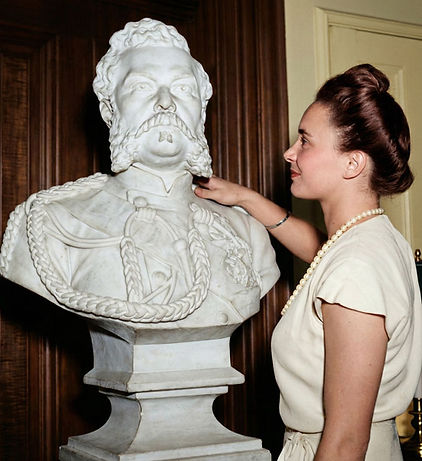
Abigail with the King Kalākaua bust at ʻIolani Palace.
Star-Advertsier / April 17, 1947 (colorized)

Abigail at ʻIolani Palace, 2012
Gifts of Cultural and Historical Significance to ʻIolani Palace
Returning treasures to their rightful home.
Throughout her life, Abigail served as both guardian and giver, carefully stewarding a personal collection of items tied to Hawaiʻi’s royal legacy. Many of these pieces, whether passed down or acquired over decades, carried not only historical value but profound cultural and spiritual weight.
She understood these were not simply antiques, they were embodiments of aliʻi presence, sacred memory, and the living spirit of the Hawaiian Kingdom.
Rather than allow them to remain private, she chose a different path: to return them to their rightful home.

ʻŌlelo Hawaiʻi: Hawaiian Language Revitalization
Recognizing that the Hawaiian language is the foundation for expressing the depth and diversity of Hawaiian culture, Princess Abigail was a steadfast advocate for its revitalization. She was a long-time financial supporter and outspoken proponent of the ʻAha Pūnana Leo Hawaiian immersion program, a movement that has helped restore ʻŌlelo Hawaiʻi as a living, thriving language for new generations.
In December 2007, ʻAha Pūnana Leo honored Abigail at its Neʻepapa I Ke Ō Mau benefit dinner, commemorating the twentieth anniversary of the Hawaiian Immersion Program’s integration into the Hawaiʻi State Department of Education. In recognition of her unwavering support, she was presented with the Kamakia Award a testament to her belief that language is not only a tool of expression, but a vessel of identity and survival.
Merrie Monarch Festival
Supporting the heartbeat of Hawaiian culture
Abigail’s enduring support for the annual Merrie Monarch Festival was widely known and deeply appreciated. For decades, she stood behind the Festival’s mission to celebrate and perpetuate Native Hawaiian culture, language, and, above all, hula.
“If not for Kekau,” said Kahu Kamaki Kanahele at her funeral, “none of this would exist. And for that we will always be grateful.”
During his eulogy, Kanahele recounted a pivotal moment from years earlier: a quiet meeting with Princess Abigail and her close friends — ʻIolani Luahine, George Naʻope, Dottie Thompson, his mother Agnes Cope, and himself. When Kekau asked about a new event they were planning in Hilo, they described what would become the Merrie Monarch Hula Festival. She listened carefully, then promised financial support. She kept her word.
A Living Link to Kalākaua
Abigail regularly attended the Festival as a direct descendant of its namesake, her great-granduncle King David Kalākaua. Her presence was a symbol a living connection to the aliʻi who championed hula, mele, and the resurgence of Hawaiian identity in the late 19th century.
Her role was not ceremonial alone. Whenever she was escorted to and from her seat of honor, the crowd would rise and fall into silence. That gesture of collective reverence was not just for Kekau it was for Kalākaua.
Royal Ties Across Oceania
In 1984, Abigail represented the Royal Families of Hawaiʻi and Tahiti at the 21st Annual Merrie Monarch Festival. She arrived with an entourage that included Princess Genevieve “Tita” Pomare, granddaughter of Pomare V, the last reigning monarch of Tahiti. Her support extended far beyond Hawaiʻi’s shores a reflection of Polynesian unity and respect.
Supporting the Hālau and Kumu
As the Festival grew, Princess Abigail’s attention turned increasingly to the backbone of Merrie Monarch: the hālau and their kumu hula. She provided regular financial support, not just through formal grants but through deeply personal gestures — gifts, travel assistance, and encouragement tailored to the needs of each kumu.
50th Anniversary, 2013: She presented Executive Director Luana Kāwelu a personal makana in honor of her beloved friends George Naʻope and Dottie Thompson.
2023: The Princess Abigail and Veronica Gail Kawānanakoa Charitable Fund donated $50,000 to the Festival in her memory.
She saw Merrie Monarch not only as a festival, but as an embodiment of Hawaiian resilience. Through it, the art of hula was not merely remembered it was reborn, each year, for the world to see.
Mauna ʻAla
Resting Place, Sacred Responsibility
Tucked into the cool, green folds of Nuʻuanu Valley lies Mauna ʻAla, the Royal Mausoleum a wahi kapu, a sacred place where Hawaiʻi’s aliʻi, sovereigns, and trusted advisors are laid to rest. For Princess Abigail, Mauna ʻAla was more than a historical site; it was her ancestral home. Her beloved grandmother, Princess Abigail Wahiʻikaʻahuʻula Campbell Kawānanakoa, who adopted and raised her, is buried there and so too, eventually, would she be.
A Deep Kuleana
Abigail’s commitment to Mauna ʻAla ran deep. She embraced the kuleana of caring for its sacred grounds and honoring those interred there. She funded the first long-range plan for the site’s preservation and served as a proud member of Mālama Mauna ʻAla—the aliʻi trust consortium responsible for maintaining the tombs and monuments of their royal benefactors. Abigail also held a key to the Crypt and visited often.
Honoring Her Ancestors: Restoring Balance to the Grounds
In 2022, as her own tomb was being prepared, she also led a major landscaping restoration which was no ordinary beautification. It was a cultural and spiritual rebalancing.
Princess Abigail knew she would one day join her ancestors at Mauna ʻAla. She wanted to ensure the grounds were restored to proper harmony before that day came. Based on discussions with Kahu William Kaiheʻekai Maioho guardian of Mauna ʻAla and descendant of Hoʻolulu, one of the high chiefs entrusted with hiding Kamehameha I's bones, she learned of specific imbalances and missing elements on the land.
Hala Trees: Guardians of Transition
Five hala trees had died and not been replaced, a significant loss. Hala are associated with passing, continuity, and death. The two most urgent were the kane (male) trees meant to guard the entrance gates, balancing the wahine (female) trees on inside. Their absence at the gate was glaring. Others were missing at both ends of the entrance wall and near the Kamehameha Crypt.
Kahu and Mālama Mauna ʻAla selected new hala trees from Makakilo Nursery, personally ensuring that the male trees were returned to their places of honor.
Royal Palms: Acknowledging Every Burial
Six royal palms were also missing. As Kahu Kai explained, there should be one for each aliʻi buried at Mauna ʻAla, and their absence meant that six ancestors lay unacknowledged. Young palms were carefully selected to begin a new generation of guardians, representing continuity and renewal. One more palm was marked for planting when Princess Abigail herself would be laid to rest.
Restoring Native Plant Life and Cultural Symbolism
Kahu pointed out that the planter beds along the perimeter were filled with dying or invasive plants, and much of the beds were just plain dirt. Princess Abigail funded their complete restoration, replacing the barren areas with native species such as ʻōhiʻa lehua, the fragrant native hibiscus, and ferns. The beds were replenished with red cinder, carefully watered, and tended with ongoing care.
She also funded the trimming of all large canopy trees, kou, kukui, mango, mahogany, and plumeria returning light and breath to the shaded grounds and restoring the sense of balance and vitality that Mauna ʻAla deserves.
The Kamani Triangle
One special tree required urgent attention: a massive kamani tree planted by Queen Emma before there was any formal entrance gate at Mauna ʻAla. One of its great branches had been deliberately encouraged to grow makai, creating a natural and symbolic “first gate” to the sacred grounds. Over time, the branch became dangerously heavy. It was carefully trimmed and preserved, ensuring that Queen Emma’s original intent would endure.
Two other kamani trees, also planted by Queen Emma, form a triangle with this first one near the John Young Tomb, one along the makai wall in the Nuʻuanu Avenue corner was also trimmed. Together, they symbolize the Polynesian Triangle, echoing a worldview central to Hawaiian ocean identity.
The Sausage Tree
Another unusual tree drew discussion, a “sausage” tree near the Kalākaua Crypt, heavy with large, unwieldy pods. There was concern that the pods were heavy enough to harm anyone sitting under the tree should they fall. When asked, Kahu explained that Queen Liliʻuokalani herself had planted the tree. He advised patience. After the pods were trimmed and weight released, the tree blossomed radiant with red and yellow flowers shaped like trumpets. It was as if the Queen’s plan had bloomed again. The colors of aliʻi returned to greet and honor the crypt of her brother.
A Final Touch
As the last piece of her restoration, Abigail funded the full refurbishment of the Kalākaua Obelisk, returning it to its original dignity, a tribute to the dynasty from which she descended, and the sacred grounds to which she now belongs.
Dr. Agnes Kalanihoʻokaha Cope Native Hawaiian Traditional Healing Center
Restoring balance through cultural medicine.
In keeping with her lifelong commitment to the health and vitality of Native Hawaiian communities, Abigail provided substantial financial resources to support the expansion of the Dr. Agnes Kalanihoʻokaha Cope Native Hawaiian Traditional Healing Center a vital initiative of the Waiʻanae Coast Comprehensive Health Center.
This center, named in honor of the beloved kupuna, healer, and activist Dr. Agnes Cope, integrates traditional Hawaiian healing practices with modern health care offering a culturally grounded approach to wellness for the people of the Waiʻanae Coast and beyond.
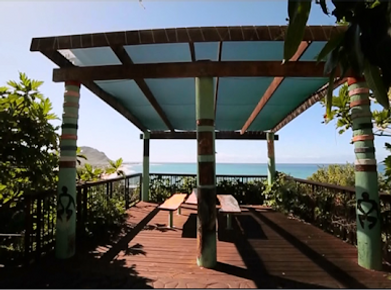
Ke Kahua o Princess Abigail Kinoiki Kekaulike Kawānanakoa - The Princess Trail & Lookout
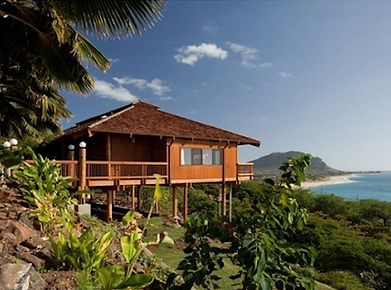
In recognition of Princess Abigail’s extraordinary generosity, the Health Center established The Princess Trail & Lookout at its highest point, Puʻu Maʻiliʻili. Overlooking the full expanse of the campus and the Maʻili coastline, this place of reflection formally named Ke Kahua o Princess Abigail Kinoiki Kekaulike Kawānanakoa serves as both a literal and symbolic high point, honoring the Princess’s deep respect for traditional healing and her enduring commitment to the health and well-being of the Hawaiian people.
Preserving and Practicing Traditional Healing
The Dr. Agnes Kalanihoʻokaha Cope Center for Traditional Native Hawaiian Healing promotes traditional Native Hawaiian healing and cultural education, practices, and traditions. It supports the continuation of ancestral knowledge systems passed through generations of healers, guided by a council of cultural practitioners and kūpuna.
The Center’s primary practices include:
-
Lomilomi – Hawaiian massage therapy that nurtures both body and spirit
-
Lāʻau Lapaʻau – The use of herbal medicine to restore physical balance and treat illness
-
Lāʻau Kāhea – Spiritual healing through prayer, intention, and ancestral connection
-
Hoʻoponopono – A practice of reconciliation, emotional healing, and conflict resolution within families and communities
-
Kūpuna Council – A trusted group of Native Hawaiian elders and master practitioners who ensure the integrity, wisdom, and values of these healing traditions are preserved and passed on
Abigail’s generous gift helped secure the long-term future of these practices, ensuring that the wisdom of her ancestors continues to heal and empower generations to come.
Ka Papa Loʻi ʻO Kānewai
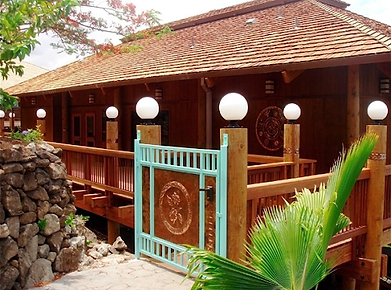
Since its founding in 1980, Ka Papa Loʻi ʻO Kānewai has served as one of Hawaiʻi’s most treasured cultural learning sites. Nestled in Mānoa Valley and operated through the University of Hawaiʻi at Mānoa, this living educational resource is now part of the Hawaiʻinuiākea School of Hawaiian Knowledge the only indigenous college housed within a major research university.
As a teaching cultural garden in Oceania, Kānewai stands as both protector and practitioner of Native Hawaiian agricultural knowledge. It is especially revered for maintaining and cultivating a wide diversity of Hawaiian taro (kalo) varieties a cornerstone of Native identity, sustenance, and spiritual connection.
A Timely Gift to Sustain a Living Archive
In the early years of Kānewai’s development, a newspaper article circulated calling attention to the vulnerability of the loʻi kalo, one of the last remaining agricultural terraces in Mānoa. The article made clear that without immediate intervention, the future of the garden and the kalo was in jeopardy.
Upon reading the article, Abigail acted immediately. She made a $100,000 donation to stabilize and preserve the loʻi, ensuring its continued role as a cultural and educational resource.
Her contribution reflected not only a personal understanding of the symbolic power of kalo but also a broader commitment to the restoration of Hawaiian knowledge systems and food sovereignty.
The Queen’s Hospital
Carrying forward a royal commitment to healing
Founded by King Kamehameha IV and Queen Emma, The Queen’s Hospital was envisioned as a place of refuge and care for the Native Hawaiian people a sanctuary where health and humanity would be protected with compassion.
Abigail embraced that original vision. As a descendant of the aliʻi and as a woman deeply committed to the well-being of her people, she upheld the founding mission of The Queen’s Hospital not through grand declarations, but through quiet action.
A Personal and Private Kindness
Over the years, Abigail personally covered the medical expenses of numerous Hawaiian individuals who found themselves in need. These acts of generosity were rarely publicized and never done for recognition. They were simply her way of continuing what her ancestors had begun.
“Her gift was discretion. Her legacy was care.”
Whether for a child requiring urgent treatment or a kūpuna facing unexpected medical bills, her assistance was always swift, dignified, and rooted in aloha.